What if the real issue with your lead gen isn’t the content, but how you’re delivering it in webinars?
If you’ve been relying on webinars as a key tool in your lead generation strategy but haven’t seen the results you expected, it’s time to rethink how you’re using them. While the content you present is crucial, the way it’s delivered often makes a big difference. Too many B2B marketers treat webinars like a one-time event rather than a continuous, repeatable process that builds momentum and nurtures leads over time.
The truth is, B2B webinars can be an incredibly powerful tool for attracting decision-makers, engaging them in meaningful ways, and driving qualified leads—if you know how to structure and execute them strategically. But too often, webinars fall short because they’re treated as isolated occurrences with no real follow-up or consistency.
If you’ve faced this challenge before, you’re in the right place. In this article, we’ll break down exactly how you can turn your webinars into a lead generation engine that not only attracts the right audience but keeps them engaged throughout the entire buying journey.
Why Webinar Marketing Still Works in B2B
Webinars are one of the few marketing tools that give you 45–60 minutes of undivided attention from key decision-makers in a buying committee. This kind of sustained engagement is hard to achieve with other formats like cold emails or eBooks, where prospects are often distracted or too busy to dive deep into your message.
Webinars give you the power to interact in real time, allowing you to showcase solutions, address objections instantly, and position your brand as the go-to expert; something static content can’t deliver.
B2B webinars put you in front of decision-makers at the exact moment they’re seeking solutions, giving you a unique opportunity to drive action and move leads forward.
What a High‑Performing B2B Webinar Looks Like
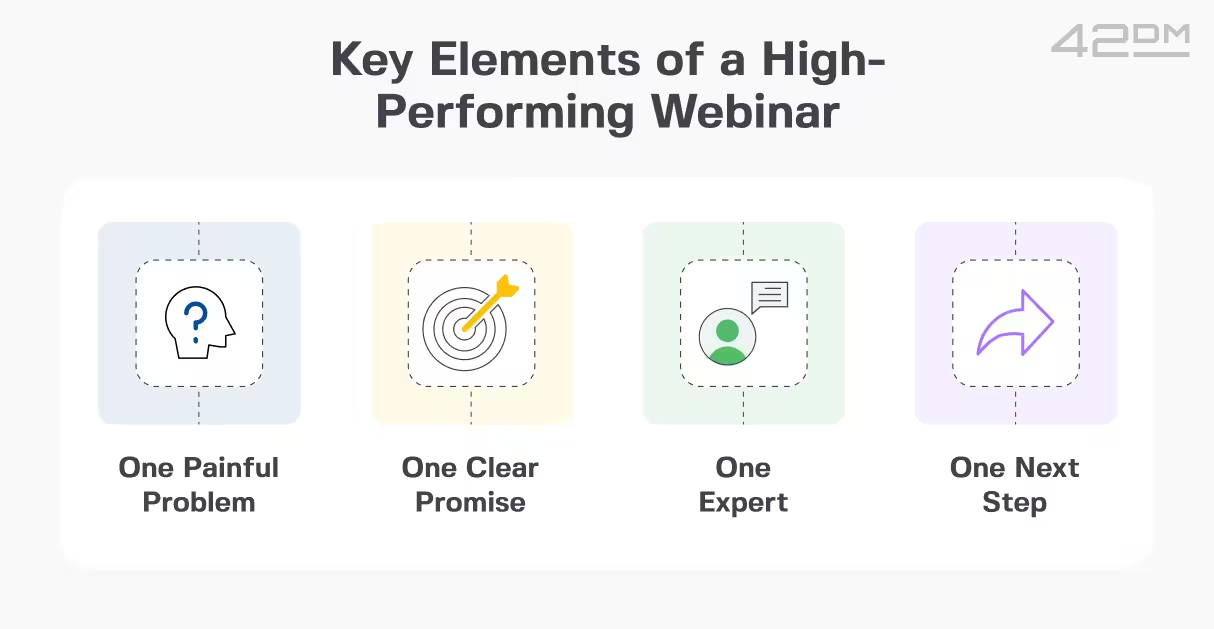
A high-performing B2B webinar doesn’t just happen by chance. It’s built around a few key elements that, when done right, create a powerful and engaging experience for your audience. A successful webinar is built on these four key pillars:
- One Painful Problem: Start by identifying a single, significant challenge your target audience is facing. This ensures your content is relevant and speaks directly to the issues that matter most. Addressing a clear pain point sets the stage for a solution-focused discussion.
- One Clear Promise: Your webinar should offer a straightforward solution or insight. Promise your audience a specific outcome or takeaway, whether it’s a new strategy, a tool to solve their problem, or a clear path forward. This promise helps set expectations and keeps your audience engaged.
- One Expert: Bring in an authority or internal expert who can speak credibly to the problem and solution. This not only adds trustworthiness to your message but also positions your brand as the go-to source for solving the challenge at hand.
- One Next Step: Your webinar should always end with a clear call to action, something that guides your attendees to the next stage of the buyer’s journey. Whether it’s scheduling a demo, downloading a resource, or talking to a sales rep, this step is crucial to converting webinar interest into actionable leads.
Webinars should never be seen as one-off events. To build a sustainable pipeline, you need to treat webinars as part of a repeatable system—scheduled every 4–6 weeks. When B2B webinars are run on a consistent cadence, they become a predictable source of leads. This approach ensures you’re constantly nurturing your audience, keeping them engaged, and guiding them toward a purchase decision.
How Do You Make a Webinar Your ICP Will Show Up For?
When it comes to webinars, many marketers fall into the trap of overcomplicating things. But the truth is, you don’t need celebrity speakers or high-end studio production to attract your ICP. What you really need is a deep understanding of their most urgent, operational problems.
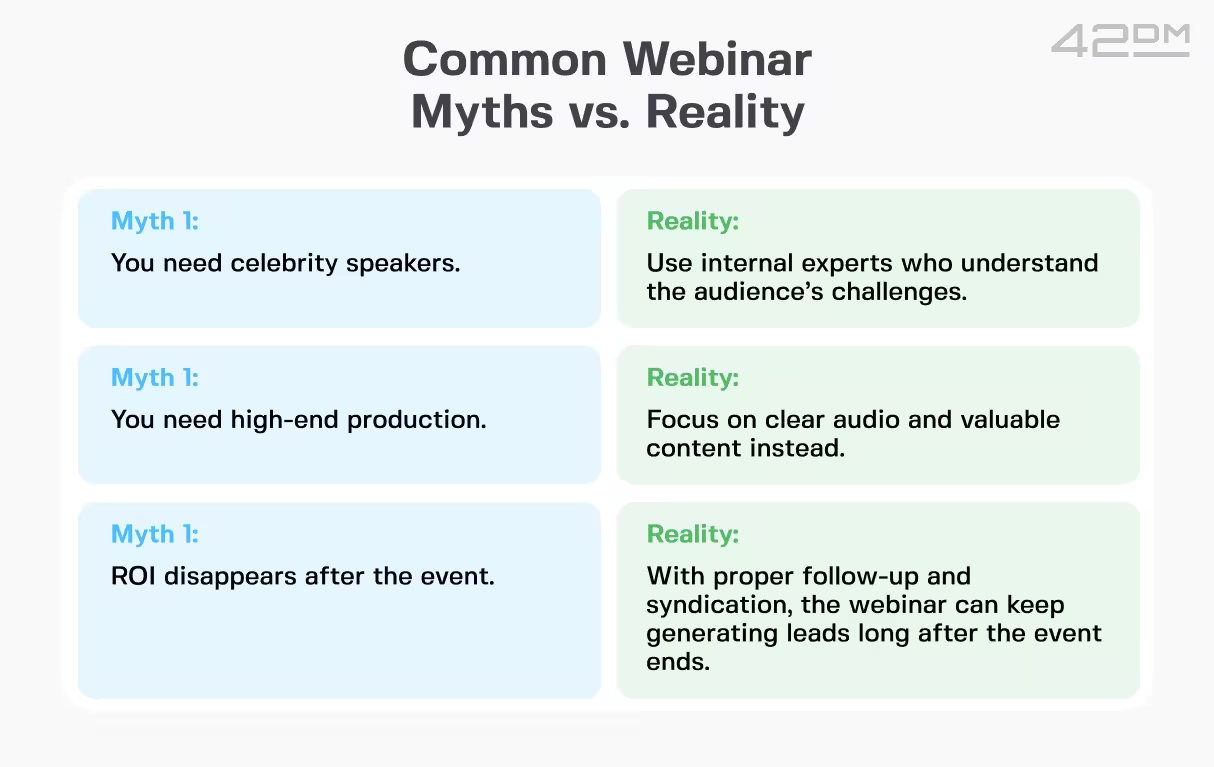
Let’s debunk some common webinar myths.
- Myth 1: You need celebrity speakers to draw in a crowd.
- Reality: You don’t need big names; all you need is internal experts who understand the real pain points your audience faces.
- Myth 2: You need fancy production in order to impress.
- Reality: Simple production works best. Clear audio, good lighting, and a focus on delivering valuable insights are all you really need.
- Myth 3: The ROI disappears the moment the webinar ends.
- Reality: With the right follow-up and syndication, a well-run webinar has long-lasting impact, continuing to nurture leads long after the event ends.
So, how do you organize a webinar that your ICP will show up for? Here’s a breakdown of the step-by-step process:
- Choose a Specific Problem: Focus on one pressing issue your ICP is struggling with. This ensures your content is relevant and speaks directly to their needs. Avoid broad topics like “The Ultimate Guide to X” and instead, drill down into a specific problem that keeps them up at night. For example, instead of “Improving Your Marketing Strategy,” try “How to Reduce CAC While Scaling Your SaaS Company.”
- Choose Speakers: Bring in someone who is already an expert on the problem you’re solving. Your own internal experts, those who deal with the issue day-to-day, are far more credible and relatable than generic “evangelists” who may not have real, in-the-trenches experience.
- 30-45 Minute Format, Simple Deck, Clear Story Arc: Keep it short and focused. A 30–45 minute webinar with a clear structure (problem → solution → implementation) is perfect for B2B decision-makers who have limited time but are looking for real, actionable advice. Don’t overcomplicate things with unnecessary slides or filler content. Stick to the core problem and how your solution addresses it.
Webinars don’t need to be flashy to drive results. Keep it simple and consistent; that’s when you’ll see real engagement.
Webinar Marketing Strategy: From One Event to a Repeatable Engine
To turn your webinars into a predictable, long-term lead-generation engine, you need to treat them as a part of a system, not just one-off events. Here’s a 6-step strategy to ensure that each webinar you host works towards building a sustainable pipeline:
- Pick One Specific Problem and ICP
Focus on a single, pressing challenge that your ICP is actively struggling with. This will make your webinar content hyper-relevant and valuable to the right audience. Narrowing your focus allows you to dig deeper into the issue, offering real insights that speak directly to their pain points. This approach will attract prospects who are actively looking for answers to that problem, making them far more likely to engage.
- Keep Production Simple
It may be tempting to invest a lot into production quality, but in B2B webinars, simplicity is often far more effective. Clear audio, good lighting, and a straightforward slide deck are all you really need. Your audience is there for the content, not the fancy camera work. Focus on delivering value by presenting the problem and solution clearly. Over-engineering your webinars can distract from the message and take time away from crafting a meaningful, engaging discussion.
- Plan a 6-Week Cadence
You’ve heard this before: consistency is key. By planning webinars every 4–6 weeks, you create a predictable, repeatable pipeline. This cadence keeps you top of mind with your audience and ensures that you’re always nurturing new leads. Whether it’s through regular email promotions, social media posts, or organic traffic, a set schedule helps build anticipation and makes your webinar series a familiar resource for decision-makers.
- Promote It Properly Across Channels
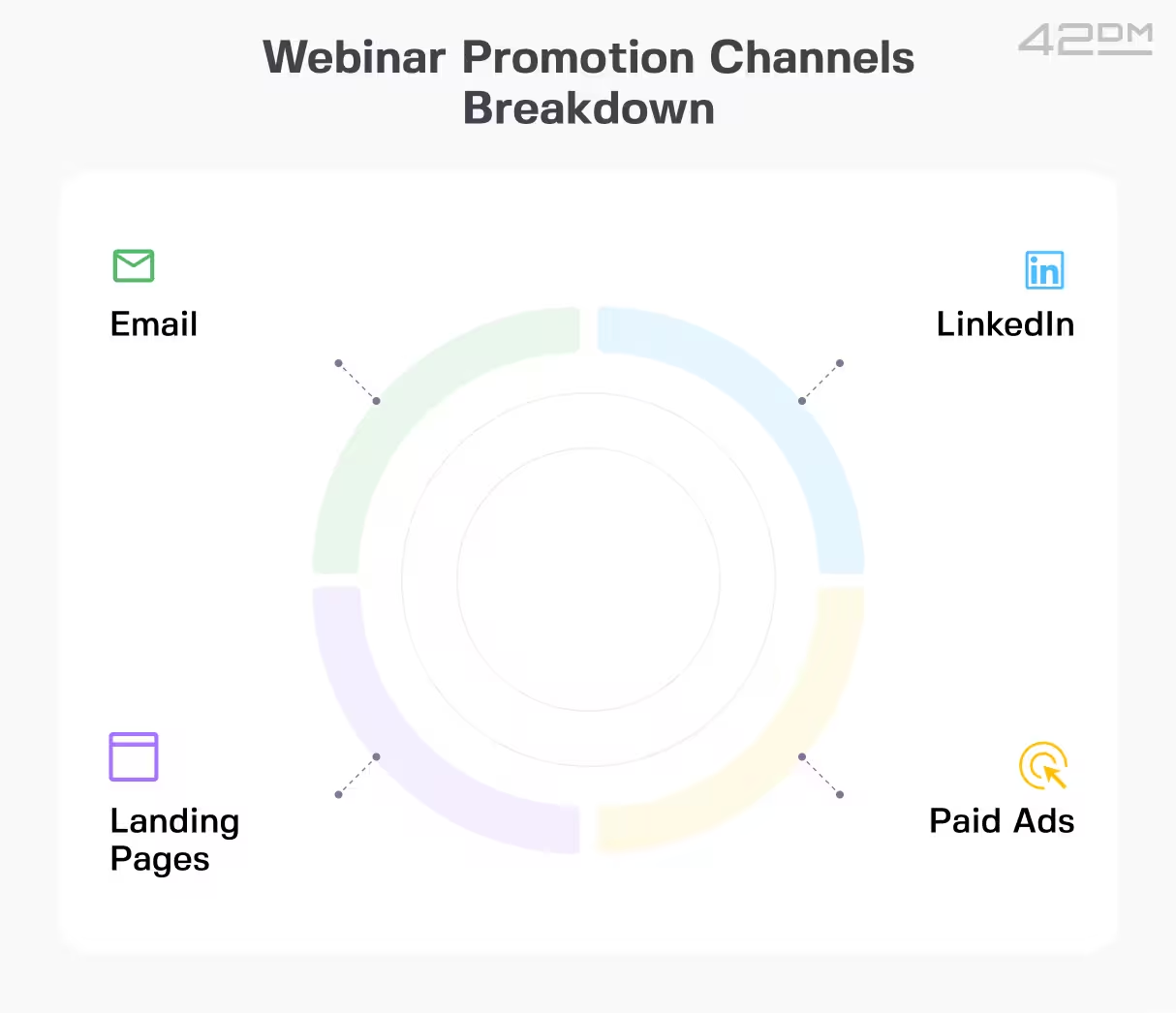
Don’t rely on just one channel to get the word out. Promote your webinars through email, LinkedIn, paid ads, and landing pages to maximize reach. The more places you promote, the more likely you are to attract the right attendees. Tailor your messaging to each channel: For LinkedIn, focus on building authority and offering insights, while your emails should highlight the specific pain points the webinar will address. Make sure your registration landing page is clear and concise, and use compelling CTAs to drive conversions. A multi-channel approach increases the chance of connecting with your ideal decision-makers.
- Segment Follow-Ups by Behavior
Not all webinar attendees are the same. To maximize your follow-up efforts, segment them based on their engagement. Did they watch most of the webinar? They’re likely ready for a deeper conversation. Did they drop off early? Send them a related piece of content to keep the conversation going. And if someone didn’t attend, follow up with a recording and invite them to the next one. Tailoring your follow-up ensures that you’re nurturing leads in a way that feels personalized and relevant, increasing the likelihood of converting them into qualified opportunities.
- Maximize the Lifespan of Your Webinar
Don’t let your webinar content expire the moment the event is over. Repurpose your content into blogs, video clips, FAQs, or even podcast episodes. Syndicate it across partner sites, use it in newsletters, or post on social media channels to keep the conversation going. You can even turn key takeaways into downloadable resources or mini-courses. This approach extends the life of your webinar and ensures that the value you’ve provided continues to generate interest and leads long after the live event.
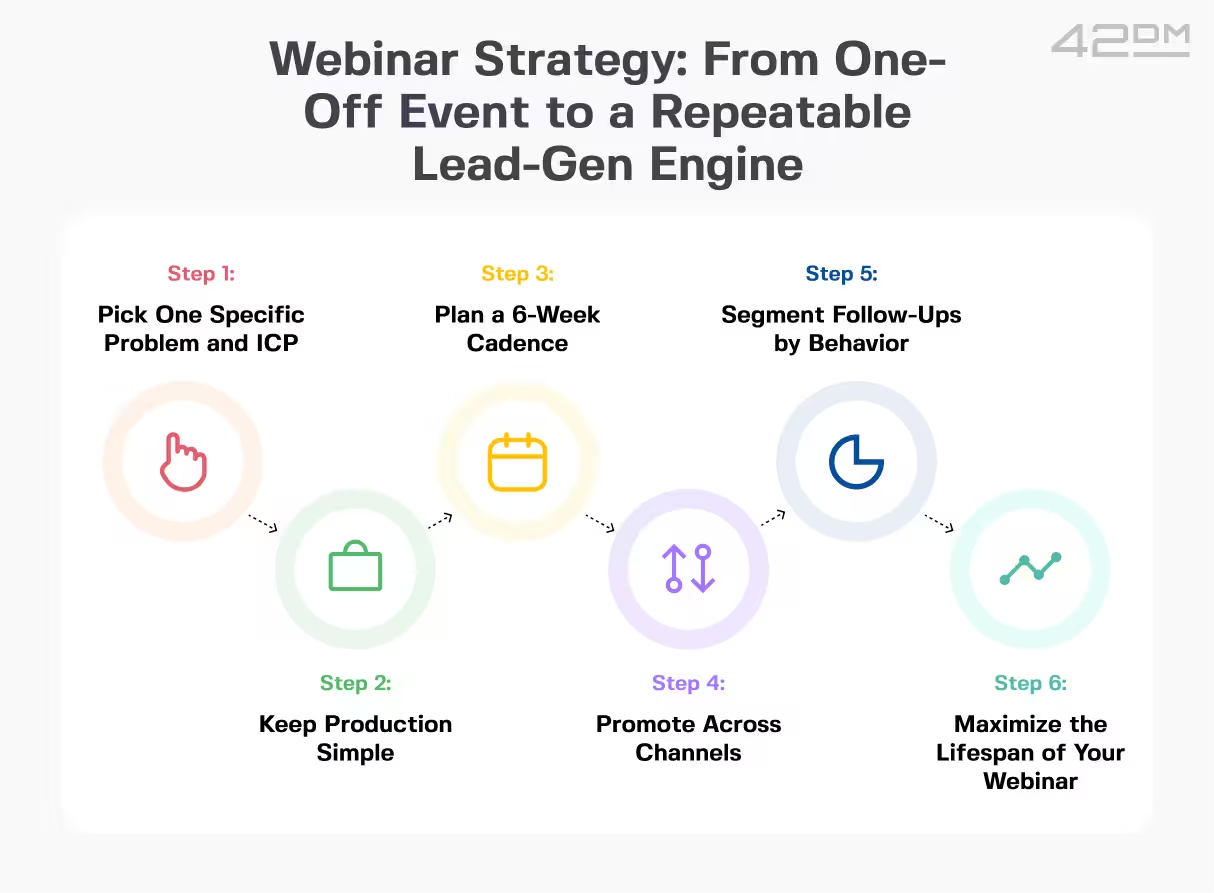
By following this 6-step process, you’ll turn webinars into a continuous source of qualified leads, ensuring your sales pipeline remains consistently full and primed for conversion.
How to Market a Webinar Before the Live Date
Promoting a B2B webinar effectively starts long before the live date. In order to build a successful event, you need a structured plan that covers all aspects of promotion.
Start by creating a landing page that directly addresses a key problem your ICP is facing. Highlight how your webinar provides a solution, and outline the key takeaways. Introduce your expert speakers and make the registration process simple and obvious.
Your email sequence should build anticipation. Start with a save-the-date message, followed by an email explaining the value of attending. As the event approaches, send a final reminder, and after the webinar, share a recording with an invitation to your next event.
On LinkedIn, where many decision-makers spend time, use four posts to create momentum for your event. Start with a problem story, followed by a speaker POV teaser. Push for registrations with a clear CTA, and end with a post highlighting key takeaways.
If you’re using paid ads, focus on what’s going to drive engagement and registrations. LinkedIn event boosts can be effective for targeting decision-makers directly within the platform. Alternatively, use expert video ads where your speakers provide valuable insights or teasers about the content they’ll present. Avoid generic banner ads, which tend to be less engaging, and instead, focus on dynamic, value-driven content that resonates with your target audience.
Throughout your campaign, keep an eye on several key performance indicators (KPIs) to measure success. Track the registration rate to see how many people are clicking through to your landing page and signing up. Measure the show rate to determine how many registrants actually attend the webinar. Keep an eye on cost per registrant, especially if you’re using paid ads, to ensure you’re getting a good return on investment. And finally, monitor audience fit to ensure you’re attracting the right decision-makers.
Webinar Marketing Follow‑Up: From Attendee Lists to Opportunities
The real value of a webinar doesn’t end when the session does. How you follow up with your attendees can make or break the success of your lead-generation efforts. Timing and personalization are key here. Effective follow-up should begin within 24 hours of the webinar to maintain momentum and ensure your leads stay engaged.
Start by segmenting attendees based on their behavior during the webinar:
- High-intent attendees: Those who watched most of the session are the most likely to be ready to take the next step. These leads should receive a direct outreach from sales with a personalized message that reinforces what they learned and invites them to the next step, whether it’s scheduling a demo or receiving a tailored proposal.
- Early drop-offs: If someone left the webinar early, it’s a sign that they may have been distracted or didn’t find the content as engaging. Send them follow-up content that dives deeper into the topics discussed, such as a case study, additional product features, or an in-depth blog post. This keeps the conversation going and nurtures them for future engagement.
- No-shows: For those who registered but didn’t attend, send them the recording, along with a tailored invite to the next webinar, highlighting specific points that would be most relevant to their interests or needs. This shows that you value their time and gives them another opportunity to engage with your content.
Segmented follow-ups are far more effective than generic email blasts. By tailoring your approach to each attendee’s behavior, you’ll see about a 10% higher response rate compared to sending out a one-size-fits-all message. Personalized outreach makes your leads feel understood and valued, increasing the likelihood of conversion.
Additionally, when briefing your Sales Development Representatives and Account Executives, be sure to equip them with the right context. Provide them with clips, talking points, and key attendee insights so they can engage in meaningful conversations. For example, if an attendee asked a question about a particular product feature during the webinar, make sure your sales team knows this so they can tailor their outreach accordingly. This ensures the follow-up is relevant and timely, ultimately increasing the chances of turning those leads into opportunities.
Syndication: The Secret to Long‑Tail Webinar Marketing ROI
The value of your webinar shouldn’t end when the live session is over. Syndication ensures that your insights keep generating leads long after the webinar ends.
Start by distributing your webinar across platforms like BrightTALK, TechTarget, YouTube, and partner newsletters to reach a wider audience and generate continued interest.
Then, repurpose your content by creating short clips for LinkedIn and email. Break down the Q&A into blog posts, FAQs, or playbooks to provide ongoing value. Additionally, design nurture sequences that build on the webinar’s key themes, keeping your audience engaged and moving through the buyer’s journey.
By repurposing and syndicating, your webinar becomes an ongoing lead-generation asset, driving results long after the event is over.
Webinar Marketing Strategy Checklist You Can Reuse Every Quarter
To create a consistent and sustainable B2B webinar program, you need a repeatable process. This 6-week rhythm can be used each quarter to ensure you’re consistently generating leads and building momentum:
In Weeks 1–2, focus on defining your topic, choosing speakers, and creating the outline. The goal here is to be strategic. Pick a topic that aligns with your ICP’s needs, and secure internal experts who can speak directly to those pain points.
During Weeks 3–4, launch your registration page and begin promotion. Start getting the word out across all channels, including email, LinkedIn, and paid ads. This is when you’ll build awareness and start driving sign-ups.
Week 5 is all about making a final push; send reminder emails, promote through social media, and increase your ad spend on targeted campaigns. Then, host the live webinar, delivering the promised content clearly.
In Week 6, focus on segmented follow-up and syndication. Send targeted follow-up emails based on engagement, and repurpose the webinar content for long-term value. Whether you’re sharing a recording, creating blog posts from the Q&A, or promoting highlights, this phase ensures your webinar continues to generate results.
By repeating this cycle 4–6 times per year, you’ll create a durable webinar program that continuously drives qualified leads and engages your ICP. This predictable cadence helps you stay top-of-mind with your audience.
Webinar Marketing Mistakes That Kill Attendance and Pipeline
Sometimes, it’s the little things that make or break a webinar. Here are some common mistakes that can undermine your efforts:
- Overly Broad Topics: One of the most common mistakes is choosing a topic that’s too general. Instead, focus on concrete problems that your ICP is struggling with. A specific, targeted topic is far more likely to attract decision-makers who are looking for a solution to that particular issue.
- Over-Engineered Production: Webinars don’t need to be flashy to be effective. Investing too much time and resources into high-end production can detract from the value you’re providing. While good quality is important, focusing too much on aesthetics can lead to the loss of focus on the real content.
- No Segmentation in Follow-Up: Treating all registrants the same, regardless of their level of engagement, can hurt your pipeline. A one-size-fits-all follow-up doesn’t work. Instead, segment attendees based on their behavior during the webinar. This ensures your follow-ups feel relevant, increasing the chances of converting attendees into qualified leads.
- Treating Each Webinar as a Standalone Campaign: Webinars should not be treated as isolated events. To build momentum and a sustainable pipeline, webinars need to be part of a series. Hosting webinars on a regular cadence (every 4–6 weeks) ensures that you stay top-of-mind with your audience.
By avoiding these common mistakes, you can significantly improve both attendance and conversion rates, ensuring your webinars become a reliable part of your lead-generation strategy.
Webinar Marketing Checklist for B2B Teams
To make sure your webinar hits all the right notes, here’s a simple checklist for your B2B team to follow before, during, and after the event:
- Define One Specific Problem and ICP: Ensure your webinar centers around a clear, pressing issue your Ideal Customer Profile faces. The more focused you are on this problem, the more relevant your content will be.
- Secure an Internal Expert with a Clear Point of View (POV): Your webinar should feature at least one internal expert who not only understands the problem but has a strong, actionable perspective on how to solve it.
- Set a 30–45 Minute Format with Time for Q&A: B2B decision-makers are busy. Keep your webinar concise and valuable, sticking to a 30–45 minute timeframe, followed by a Q&A session.
- Create a 3–4 Email and 3–4 Post Plan for Promotion: A well-executed promotion plan is key to driving registrations. Plan out a sequence of emails (save the date, value-focused reminders, and a final push) along with LinkedIn or other social posts to build anticipation and encourage sign-ups.
- Develop Behavior-Based Follow-Up for Attendees, Drop-offs, and No-shows: Tailor your follow-up based on engagement. Send personalized outreach to high-engagement participants, nurturing content to those who dropped off early, and recordings with an invite to your next event for no-shows.
- Have a Syndication Plan for the Next 6–12 Months: Don’t let your webinar content fade into the background. Plan to repurpose and syndicate your webinar content across various platforms—blogs, YouTube, partner networks—ensuring your insights keep generating leads well after the live event.
When to Bring in a Webinar Marketing Partner
Running an effective webinar series requires a strategic approach and consistent execution. But there are times when it makes sense to bring in outside help. Here are some signs that you might be ready to partner with a webinar marketing expert:
- Lack of Internal Capacity: If your team is stretched thin and can’t manage the full 6-step webinar process, it might be time to consider a partner who can handle the heavy lifting. A webinar marketing partner can manage everything from planning to follow-up, ensuring nothing falls through the cracks.
- Low Attendance: If your webinar attendance rates are consistently low, it could signal that you’re not reaching the right people or that your promotional efforts need to be revamped. A partner can bring in the expertise and resources to increase visibility and drive sign-ups.
- Stuck on Topics: Struggling to identify relevant topics that resonate with your ICP? A webinar marketing partner can help you brainstorm and refine topics that speak directly to your audience’s most pressing challenges.
- No Clear Link Between Webinars and Pipeline: If your webinars are not translating into meaningful leads or pipeline growth, it could be a sign that your strategy needs some fine-tuning. A partner can help connect your webinar efforts to a larger lead-gen and sales strategy, ensuring that each event is pushing the right prospects through the funnel.
How 42DM Can Help
At 42DM, we can handle all aspects of your webinar strategy, from topic ideation and promotion to production, follow-up, and reporting. This allows your internal experts to focus on what they do best—showing up and delivering valuable insights during the webinar. With our expertise, we can help you run a smooth, scalable webinar program that generates real, measurable results every single time.
Contact us today to start transforming your webinars into a predictable sales pipeline.
Your Questions, Answered